Rosena: An Expert Review of a Decorative Monogram Font for Campaigns
I was deep in the final stages of a digital launch campaign for an online boutique specializing in handmade ceramics. The product photography was stunning, the color palette was perfectly soft and earthy, and the copy was compelling. But as I hovered over the final click to export the main promotional banner, I hesitated. The headline looked… functional. The clean sans serif I'd used felt safe but sterile. The launch was meant to evoke craftsmanship, personal connection, and a touch of romantic nostalgia. My typography was missing that last, crucial emotional layer. That’s when I opened my font library and tested Rosena.
How Rosena Elevates Brand Storytelling in Digital Visuals
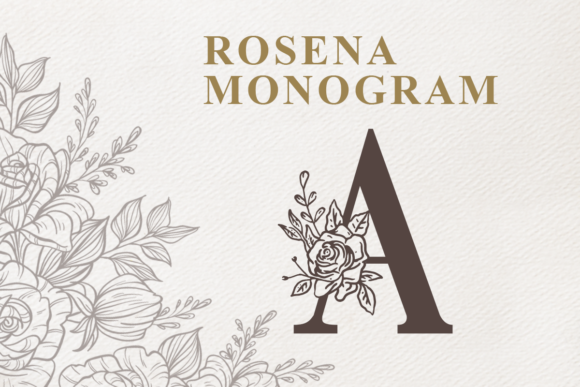
Rosena is a decorative monogram font that immediately communicates a specific mood. Its characters are elegant and flowing, with a distinct romantic sensibility built into every glyph. This isn't just another script font; it’s a typeface designed to add a crafted, personal touch. In my campaign banner, swapping the generic headline for Rosena transformed the entire graphic. The word “Launch” suddenly felt like an invitation, written with a deliberate, artful hand. This decorative font excels at turning functional text into a visual element that carries narrative weight. For marketers and designers, Rosena becomes a tool for enhancing brand storytelling, especially for audiences seeking authenticity and beauty.
Rosena for Wedding Invitations and Elegant Branding
While my ceramics campaign wasn't for weddings, the application principles are identical. Rosena is inherently suited to projects that require an elegant, personal, and romantic touch. Imagine using this font for the headline on a wedding invitation website banner, the title on a Pinterest pin for bridal accessories, or the label on a YouTube thumbnail for a planning tutorial. It instantly frames the content as premium and considerate. Beyond weddings, this applies to any brand aiming for an elegant, crafted identity—think artisanal food brands, boutique skincare lines, independent authors, or lifestyle bloggers. In these contexts, Rosena functions as a key brand identifier, setting a visual tone that competitors using standard fonts cannot easily replicate.
Integrating Rosena into Social Media and Ad Campaigns
In practical terms, Rosena performed exceptionally across the social media assets for my launch. On Instagram, the font gave cohesion to a series of posts: a product teaser graphic, a quote about craftsmanship, and the main sale announcement. Each post felt part of a curated series because the typographic voice was consistent. For the YouTube thumbnail, Rosena on a dark background for the title “The Making Process” ensured the thumbnail stood out in a crowded feed while maintaining elegance. In a Pinterest campaign, the font’s decorative nature made the pins look less like ads and more like desirable, saveable art. This decorative monogram font thrives in digital spaces where first impressions are visual and emotional. Its unique shape creates immediate visual hierarchy, pulling the eye to the most important message—be it a headline, a callout, or a logo-style treatment.
Readability and Placement Advice for Rosena Fonts
A crucial test for any decorative font is readability on mobile screens. Rosena, with its clear monogram style and open forms, held up well. However, best practices are essential. I used it exclusively for short, impactful text: headlines, product names, and single-line calls to action. It worked perfectly overlaying imagery, provided there was sufficient contrast—a light version on a dark muted background was ideal. For fast-scrolling feeds, its distinct style makes it scanable. I would avoid using Rosena fonts for any body copy, dense informational text, tiny disclaimer lines, or formal corporate communications. Its personality is too strong for those roles. For supporting typography, I paired it with a very clean, neutral sans serif for all paragraph text, creating a balanced system where Rosena shone as the decorative star.
Practical Considerations Before Using Rosena in Client Work
Before committing Rosena to a client campaign or commercial template, a designer must check the technical details. Confirm the included file formats (typically .OTF and .TTF) work with your design software. Investigate if the font includes stylistic alternates or ligatures—these can add even more custom flair to logos or monogram creations. Most importantly, verify the commercial license. As a decorative font intended for crafting projects, Rosena should come with a license that permits use in digital ads, website banners, merchandise for sale, and client branding projects. This due diligence prevents legal issues and ensures the font is a true asset, not just a visual novelty. For a social media strategist building a long-term content series or an online seller creating a branded template pack, this font investment pays off in consistent, elevated visual communication.
Returning to my ceramics campaign, the final assets felt cohesive and emotionally resonant. Rosena provided that romantic touch described in its essence, moving the visuals from merely professional to personally compelling. For any marketer or designer working in niches that value beauty, craft, and romance—from wedding planners to indie makers—this decorative monogram font is a strategic tool. It bridges the gap between message and aesthetic, ensuring your campaign’s first visual impression is as thoughtfully crafted as the product or service you’re promoting.